Explore how collaborative systems modelling helps decision-makers evaluate future energy mix scenarios, optimise investments & balance competing priorities.
What’s the right Energy Mix?
If you’d like to start a robust debate, ask someone what our Energy Mix should be. You’ll get all sorts of opinions ranging from those who have the loudest voices to those that have the biggest cheque books. Most will provide a partial view based on interests.
Personally, I don’t think that there’s anyone ‘right’ energy mix – it’s more a balancing act requiring constant recalibration across technical, commercial, environmental, geopolitical, economic, and social drivers/impacts – to name just a few of the spinning plates that policy makers need to consider more holistically and far less reactively.
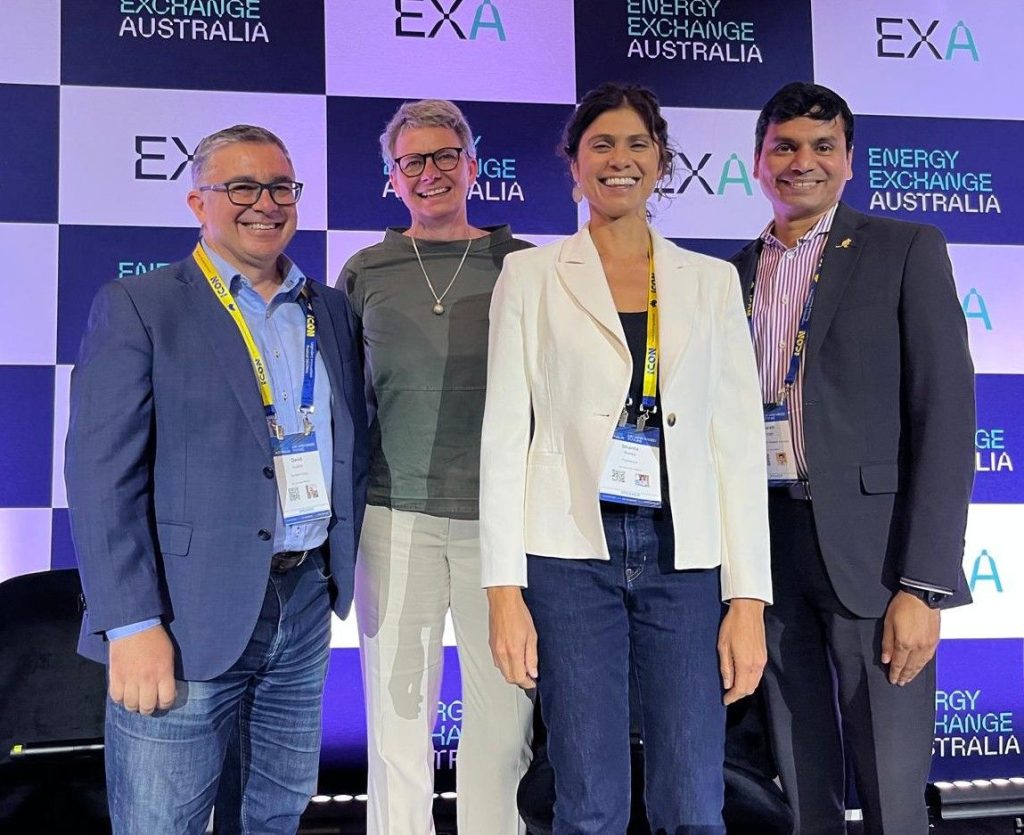
Last week, I had the opportunity to join a panel of experts to discuss the future of the energy mix and the challenges facing policymakers and industry leaders. The discussion explored several important themes, including:
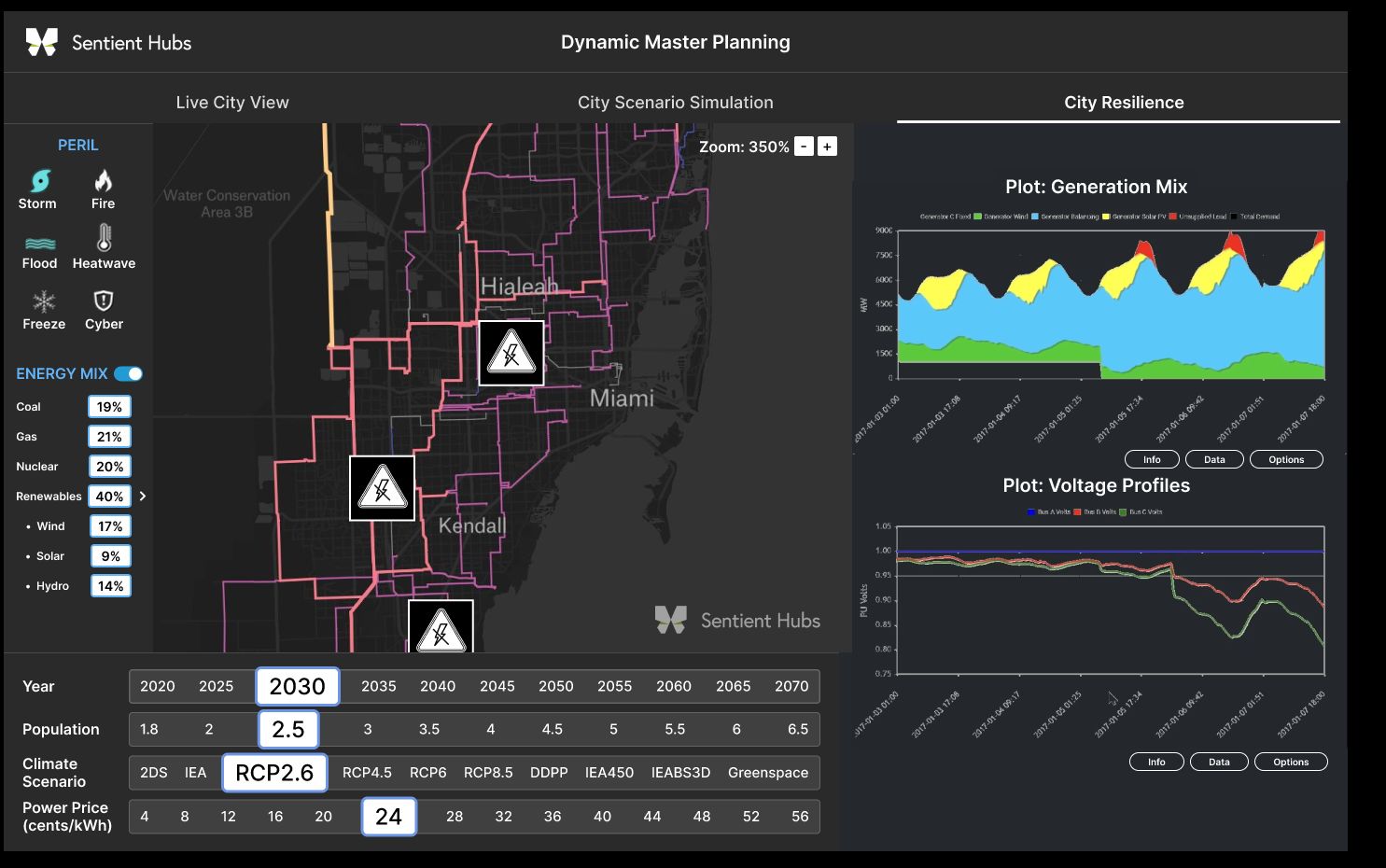
- The Energy Mix under future scenarios
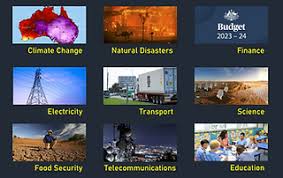
- How the Energy Mix relates to other domains (e.g. water/energy nexus),
- How decision-makers can optimise and prioritise capital allocation to achieve more balanced and effective outcomes.
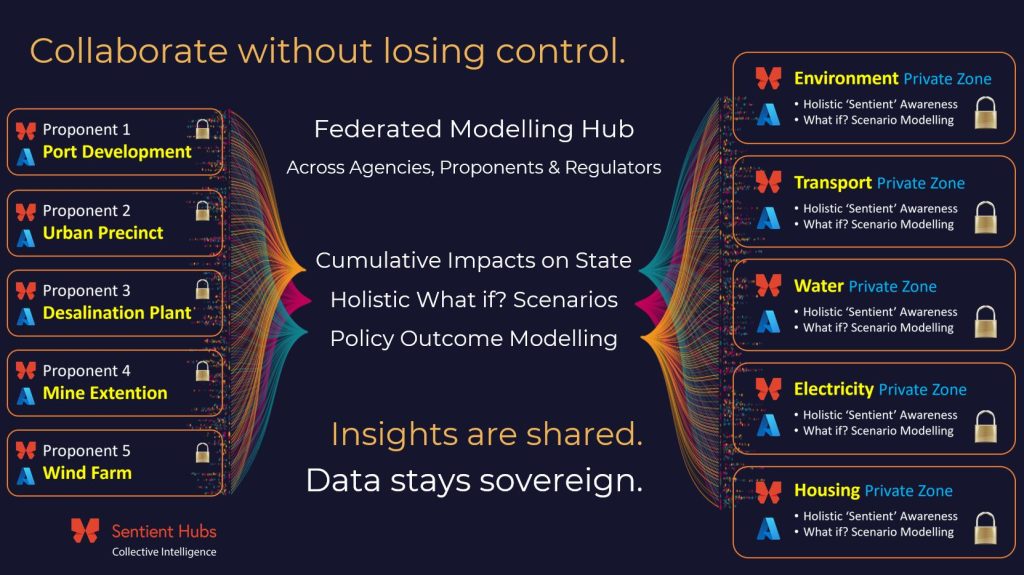
I shared on how collaborative systems modelling could simulate the cascading impacts and unintended consequences of otherwise well-intended decisions. Sentient’s federated approach to collaboration across silos/competing interests also generated a lot of interest.
Great to share the stage with Nicole Roocke CEO, Minerals Research Institute of Western Australia (MRIWA), Shanta Barley, Chief Climate Scientist, Fortescue, and Sharath Sriram, Chief Scientist of Western Australia, Government of Western Australia.